

Refrigerant Management Requirements under EPA Section 608 and the AIM Act
Refrigerant management requirements in the United States are governed primarily by Section 608 of the Clean Air Act and the American Innovation and Manufacturing (AIM) Act. Together, these EPA refrigerant regulations are designed to reduce environmental harm by preventing emissions, phasing down high-global warming potential (GWP) hydrofluorocarbons (HFCs) and accelerating the transition to lower-GWP alternatives.

Planning Your 2026 Safety Budget? Start with Ergonomics That Deliver Results
As EHS and safety managers begin crafting their 2026 budgets, it’s time to ask a critical question: Are your injury prevention initiatives actively building a resilient, high-performing safety culture, or are they merely fulfilling compliance requirements?

Safety in the Palm of Your Hand: How Real-Time Digital Tools Are Transforming Workplace Safety
Workplace safety has undergone a profound transformation over the past decade. As employees become increasingly mobile – working across warehouses, production floors, outdoor sites, and multiple facilities – the traditional methods of managing safety information have struggled to keep pace. Paper binders, desktop-based systems, and delayed reporting processes simply cannot match the speed and complexity of modern operations. Today, safety demands immediacy, accuracy, and accessibility.

Building Effective Safety Committees: Strengthening Collaboration and Workplace Safety
An effective safety committee can be one of the most powerful tools for fostering a safe and engaged workplace. By creating a formal space for employees and management to collaborate, organizations not only reduce workplace risks but also enhance communication, morale, and trust. A well-functioning safety committee doesn’t just check boxes for compliance, it cultivates a proactive safety culture that can have long-lasting benefits across all levels of the organization.

Forklift Safety: Protecting People, Equipment, and Cargo in Warehouse and Dock Operations
A busy warehouse is full of movement, forklifts transporting pallets, workers loading trailers, and cargo being shifted and stored. While forklifts are one of the

Do You Have the Big Picture of Your Risk Exposure?
As an employer, you’re required to keep your workforce and worksites safe. But knowing which regulatory requirements apply, especially if you manage multiple facilities can

What Is Industrial Hygiene and Why Does It Matter for Your Workplace?
When it comes to workplace safety, many employers focus on visible hazards: heavy machinery, slips and falls or electrical risks. But there’s another layer of

How to Respond when Employees Call OSHA
Employee complaints to the Occupational Safety and Health Administration (OSHA) are a reality for many organizations, even those with robust safety programs. A single complaint can trigger a review or inspection, sometimes catching employers off guard. While not every complaint results in a citation, the process can be stressful, time-consuming, and disruptive if an employer is not prepared. Understanding how complaints arise, which OSHA considers most serious, and how to respond effectively is critical for maintaining compliance and protecting both the organization and its employees.

Why Hazard Recognition Matters: Think, Plan & Prevent
Accidents don’t just “happen”—they are often the result of overlooked risks, poor planning, or workplace pressure. According to the Hazard Recognition topic from Hellman &

California’s Climate Reporting Requirements: What SB 253 and SB 261 Mean for Your Business
California has enacted two significant climate-related laws that will impact large corporations doing business in the state: the California Climate Corporate Data Accountability Act (SB 253) and the Climate-Related Financial Risk (SB 261). These regulations aim to increase transparency and accountability around greenhouse gas (GHG) emissions and climate-related financial risks.

Navigating Air Permits: A Guide for Manufacturers and Industrial Facilities
Air permitting plays a vital role in environmental compliance for industrial and manufacturing operations. Whether your facility operates a single coating booth or runs a complex production line with multiple emission points, understanding air permitting requirements is critical for maintaining compliance, protecting public health, and avoiding costly regulatory missteps. This guide covers the foundational elements of air permitting in the United States, from the Clean Air Act and permit types to emissions calculations, reporting responsibilities, and common compliance pitfalls.
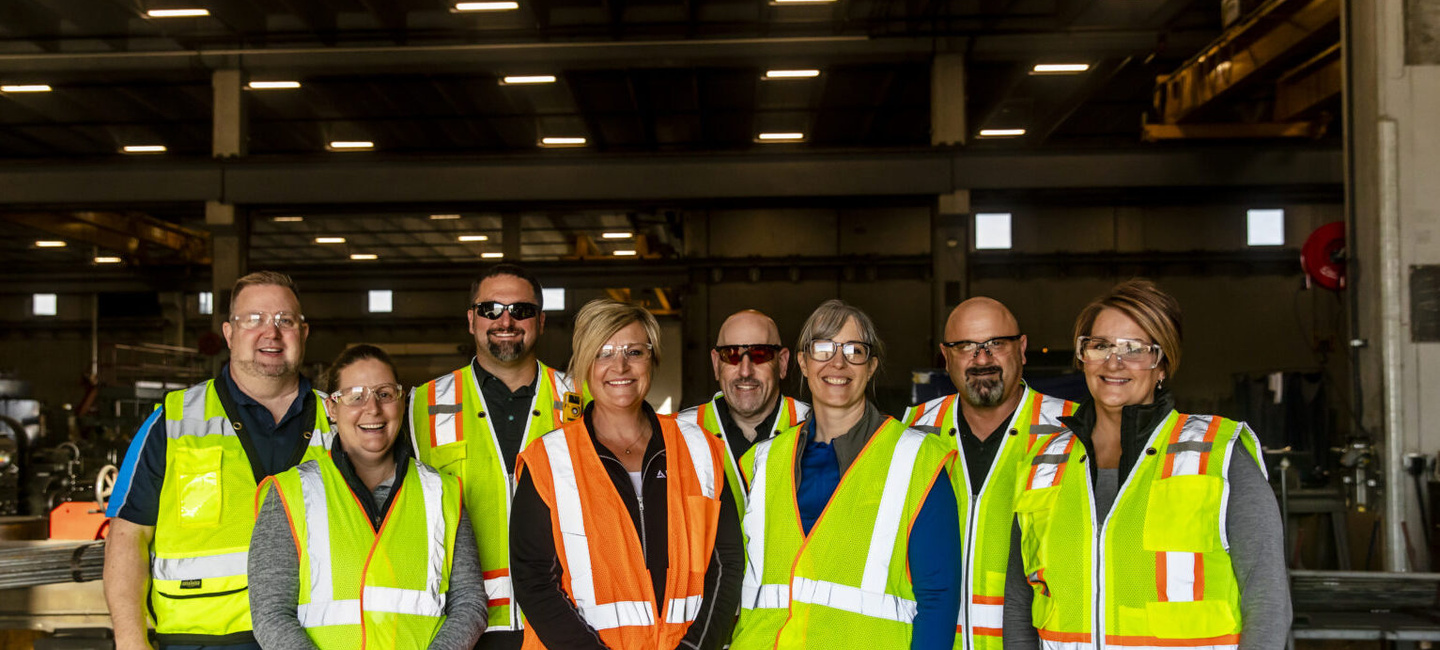
The Role of Safety Committees in Enhancing Workplace Safety
A strong safety culture doesn’t happen by accident. It starts with proactive leadership. One of the most effective tools employers can use to build and